
Growth-Driven Commercial and Contractor Activity
One of the main characteristics of Little Elm is ongoing development. New residential areas, retail spaces and service facilities continue to be added or expanded, which naturally increases contractor activity and material movement across the city.
Construction crews, maintenance teams and service providers generate a mix of recyclable materials during projects. This includes wood, metal, packaging, pallets, and leftover materials from installation or renovation work.
Because activity is often project-based, material output comes in waves depending on development cycles.
Consistent Collection
Managing Materials During Expansion
In growing areas like Little Elm, recyclable materials accumulate quickly around active job sites and service areas. Construction zones, staging areas, and temporary storage spaces often become collection points for leftover materials if they are not cleared regularly.
At the same time, commercial businesses also contribute steadily smaller amounts of recyclable material through daily operations. Over time, both sources combine into a noticeable material flow that needs consistent handling.
Keeping Development Areas Organized
During periods of rapid growth, organization becomes a key part of keeping operations running smoothly. Construction teams need clear staging areas, businesses need functional storage space, and service providers need access to work zones without obstruction.
When recyclable materials are not managed consistently, they can interfere with movement, slow down progress and reduce available working space on active sites. Simple, routine removal of recyclable materials helps keep these environments functional as development continues.
Commercial and Service-Based Activity
Outside of construction, Little Elm also has a growing base of retail, office, and service businesses. These operations generate recyclable materials through deliveries, packaging, maintenance and equipment updates.
While individual volumes may be small, the combined output across multiple locations creates a steady stream of recyclable material throughout the week.
Most of this material is easy to manage when handled regularly, but it can build up quickly if left unattended in storage or back-of-house areas.
Connection to the Wider North Texas Network
Little Elm is part of the broader Dallas–Fort Worth commercial and residential expansion zone. Materials generated in the city often move into regional recycling systems that serve construction, commercial, and industrial operations across North Texas.
This connection allows recyclable materials to be processed efficiently without requiring on-site accumulation or long-term storage at individual locations.
It also helps with the ongoing development cycle by keeping materials moving through established recovery channels.
Managing Mixed Material Streams
Because Little Elm combines residential development, construction, and commercial growth, recyclable materials often come in mixed forms. Construction debris, packaging waste, metal scrap and general operational materials can all appear across different sites.
This makes consistent handling important. Without it, materials from different sources can quickly blend together and become harder to manage. Simple separation and regular removal keep sites organized and prevent unnecessary buildup during active projects.
Volume Increases
Supporting a Growing Community
As Little Elm continues to expand, the volume of recyclable materials will naturally increase alongside construction activity and new business development. Managing that growth requires steady, practical handling rather than complex systems.
When recyclable materials are kept moving, construction sites stay cleaner, commercial spaces stay functional, and ongoing development can continue without unnecessary interruptions.
about
Regional Recycling Support for Little Elm, TX
Shapiro Metals supports businesses, contractors, and commercial operations in Little Elm through recycling and material recovery programs designed for growth-driven environments.
That includes handling of:
- Construction and renovation scrap
- Packaging and shipping materials
- Pallets and wood waste
- Light metal scrap
- Mixed commercial recyclables
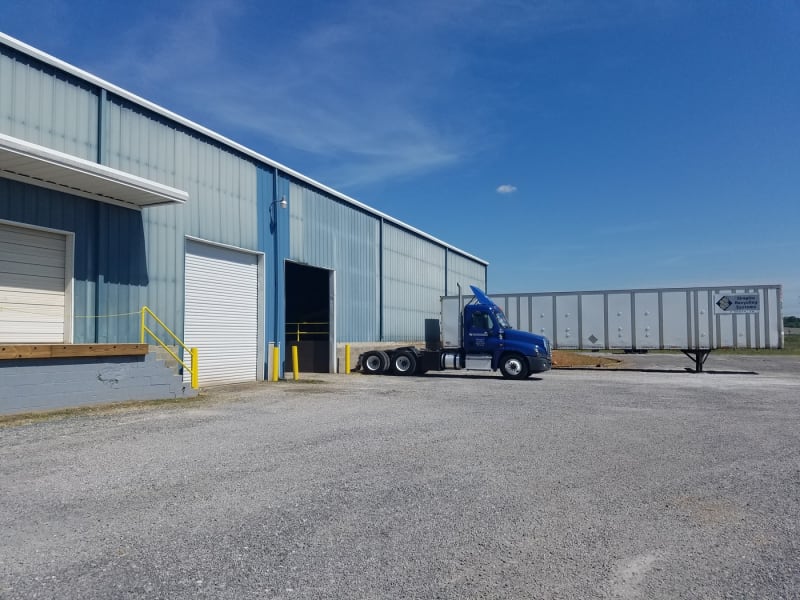
What Happens to Recovered Materials
Collected materials are processed through regional recycling systems serving the wider North Texas development and commercial network. Metals and other recyclables are sorted and directed into recovery streams where they can be reused when possible.
This reduces clutter across active construction zones and supports more efficient material use throughout the region.

Get Started Today
If your organization in Little Elm is looking to improve how recyclable materials are managed, you should get in touch with us.
Contact Shapiro Metals online or call our facility in Denton, Texas at: 314‑381‑9300.
Want to know more?
Frequently Asked Questions
Why is recycling important in growing cities like Little Elm?
Because ongoing construction and business expansion generate continuous recyclable material that needs regular removal to keep sites organized.
What creates most of the recyclable material?
Construction projects, renovations, packaging from deliveries, and general commercial activity.
Is construction the main source of materials?
Yes, but commercial businesses and service operations also contribute to steady material flow.
How does recycling help active development sites?
It keeps work areas clear, improves access for crews, and prevents unnecessary clutter during ongoing projects.
Does material volume increase with growth?
As the city expands, both construction and commercial activity naturally produce more recyclable material over time.