
Everyday Commercial and Service-Based Activity
Most recyclable material in Highland Village comes from routine business operations rather than production or logistics-heavy activity. Retail stores receive daily shipments, offices handle equipment updates and office supply turnover, and service businesses regularly generate packaging and maintenance waste.
These materials are spread across many small locations rather than concentrated in one facility. Because of that, buildup happens slowly and quietly across different sites throughout the city.
Managing Small-Scale Material Accumulation
In smaller commercial environments, recyclable materials often don't seem like a priority at first. A few boxes in a storage room or some packaging behind a service area usually feel manageable at the moment.
Over time, though, those small accumulations start to take up space that could otherwise be used for operations, storage, or customer-facing activity.
Most businesses benefit from simple, consistent routines that keep materials from lingering too long in back-of-house areas or storage zones.
Keeping Commercial Spaces Functional
Space is often limited in smaller commercial properties, which makes organization especially important. When recyclable materials are left sitting for too long, they can reduce usable storage space and make daily operations feel more crowded than necessary.
Maintaining clear separation between active work areas and temporary material storage helps businesses stay organized without adding complexity to their workflow.
Connection to the Wider DFW Commercial Network
Handling Materials From Daily Operations
Most recyclable materials here come from predictable daily activity. Deliveries arrive, packaging is opened, equipment is replaced, and maintenance work produces small amounts of scrap.
Individually, these are minor outputs. Collectively, they become noticeable over time if they are not regularly removed. Simple handling habits are usually enough to prevent congestion from becoming a recurring issue.
Supporting Clean and Organized Business Environments
In a community like Highland Village, appearance and organization often matter as much as operational efficiency. Clean, well-managed commercial spaces support better customer experience and smoother internal operations.
Keeping recyclable materials under control helps maintain that standard by preventing storage areas, service entrances, and utility spaces from becoming cluttered. This is especially important in smaller properties where every square foot matters.
about
Regional Recycling Support for Highland Village, TX
Shapiro Metals supports businesses in Highland Village through recycling and material recovery programs designed for small-scale commercial and service-based operations.
That includes handling of:
- Cardboard and packaging waste
- Retail and office recyclables
- Light metal scrap from maintenance work
- Contractor and service-related materials
- Mixed commercial recyclables
The focus is keeping everyday materials from accumulating inside active business spaces.
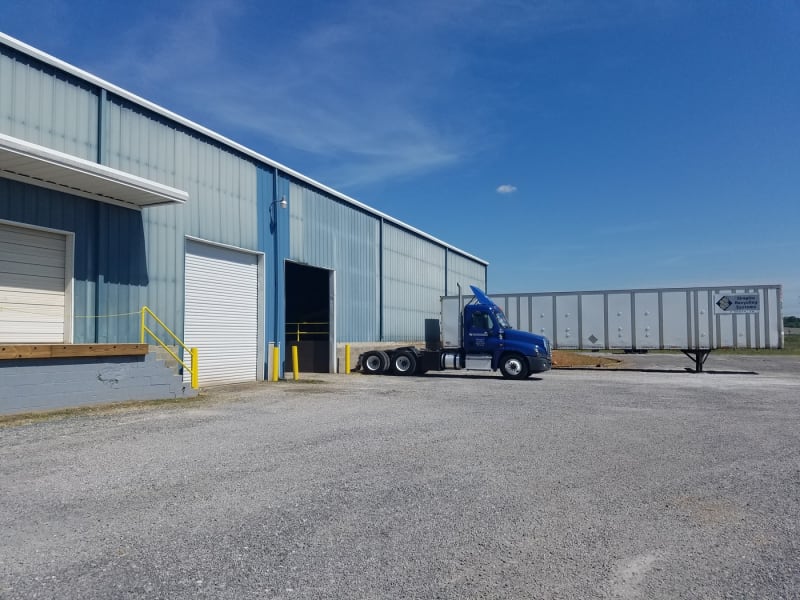
What Happens to Recovered Materials
Collected materials are processed through regional recycling systems serving the broader North Texas commercial network. Metals and other recyclables are sorted and directed into appropriate recovery streams for reuse where possible.
This keeps materials circulating instead of accumulating in small commercial environments.

Get Started Today
If your organization in Highland Village is looking to improve how recyclable materials are managed, you should get in touch with us.
Contact Shapiro Metals online or call our facility in Denton, Texas at: 314‑381‑9300.
Want to know more?
Frequently Asked Questions
What types of businesses generate recyclable materials in Highland Village?
Retail stores, offices, healthcare providers, schools, and small service businesses all generate recyclable materials through normal operations.
Why is recycling important in smaller commercial spaces?
Because even small amounts of buildup can quickly reduce usable storage and operational space in compact properties.
What materials are most common?
Cardboard, packaging waste, office materials, light metal scrap, and contractor-related waste are typical.
Do small businesses need formal recycling systems?
Most don't need complex systems. Simple, consistent routines are usually enough to keep spaces organized.
How does recycling affect daily operations?
It helps keep work areas clear, reduces clutter in storage spaces, and supports smoother day-to-day business activity.