
A City Connected to Regional Movement
Corinth's location makes it part of a wider operational flow across North Texas. Many businesses rely on suppliers, warehouses, and service providers located in nearby cities, meaning materials are constantly moving in and out of the area.
This creates a recycling environment around transport and coordination rather than production output.
Materials often arrive already packaged, get unpacked or used in local operations, and then need to be managed again as waste or recyclables before moving out of the facility.
Material Buildup Across Mixed-Use Operations
One of the defining features of Corinth is the mix of business types operating in a relatively compact area. You'll find contractors, small warehouses, retail operations, service businesses and light commercial facilities all working in the same general space.
Each of these generates different types of recyclable materials, but they tend to accumulate in similar ways.
Pallets stack near service areas, cardboard builds up behind loading points, and maintenance materials get stored temporarily in back rooms or utility spaces.
Keeping Operations Flowing Without Clutter
In environments like Corinth, space is often shared between storage, operations and service activities. When recyclable materials are not moved regularly, they can start interfering with how efficiently those spaces function.
What begins as temporary storage often turns into long-term accumulation if it is not managed consistently.
Most businesses benefit from simple routines that keep recyclable materials moving out of active areas before they become part of the workspace itself.
Role of Contractors and Service-Based Businesses
A significant portion of recyclable material in Corinth comes from contractor activity and service-based operations. This includes renovation work, equipment installation, maintenance services, general facility updates, etc.
These activities produce mixed materials: wood, metal, packaging, and general debris that need to be separated and handled properly.
Because contractor work is often project-based, material generation can come in waves rather than a steady daily pattern.
Connection to the Wider DFW Industrial Network
Corinth is closely tied to larger logistics and commercial systems across the Dallas–Fort Worth region. Materials generated locally often move into broader recycling and recovery networks that serve warehouses, industrial facilities, and commercial operations throughout North Texas.
This connection gives businesses a chance to avoid storing materials longer than necessary and keeps recyclable streams moving through established regional systems.
It also helps smaller operations stay focused on daily work instead of managing buildup internally.
Managing Everyday Operational Space
Most businesses in Corinth don't deal with large-scale industrial waste, yet they deal with accumulation in everyday work areas. Storage rooms, back entrances, service corridors, and outdoor staging areas tend to be the first places where recyclable materials are collected.
Once these spaces start filling up, it can affect workflow, access, and general organization.
Keeping materials moving regularly maintains usable space and reduces unnecessary congestion in operational areas.
All about consistency
Supporting Consistency in Small and Mid-Scale Operations
Because Corinth is made up largely of small and mid-sized businesses, consistency matters more than complexity. Most operations need reliable, repeatable handling so materials don't pile up over time.
Simple recycling routines ensure that recyclable materials are removed before they start affecting how the business functions day to day.
about
Regional Recycling Support for Corinth, TX
Shapiro Metals supports businesses in Corinth through recycling and material recovery programs designed for contractor, commercial, and light industrial activity. Among other things, we handle:
- Cardboard and packaging
- Pallets and shipping waste
- Contractor and renovation scrap
- Light metal materials
- Mixed commercial recyclables
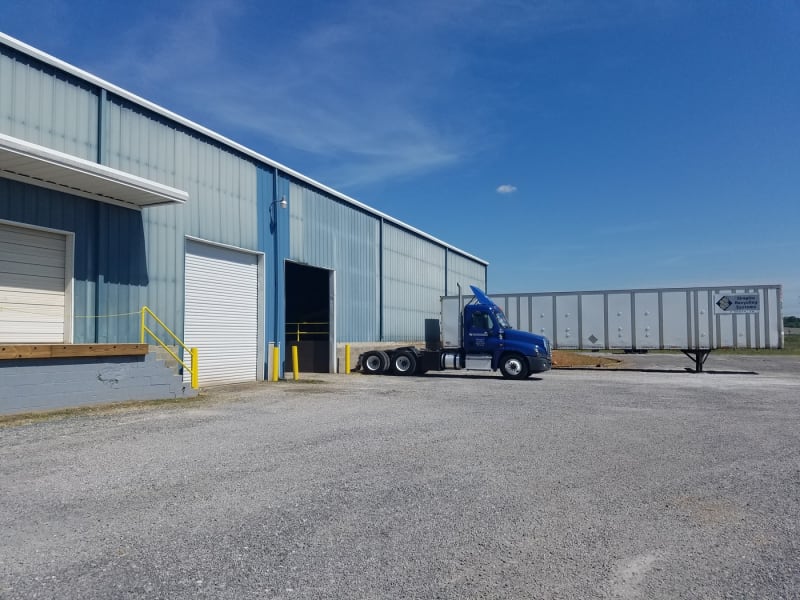
What Happens to Recovered Materials
Collected materials are processed through regional recycling systems serving the broader North Texas commercial and industrial network. Metals and other recyclables are sorted and directed into recovery streams where they can be reused whenever possible.
This reduces unnecessary accumulation across smaller commercial environments.

Get Started Today
If your organization in Corinth is looking to improve how recyclable materials are managed, you should get in touch with us.
Contact Shapiro Metals online or call our facility in Denton, Texas at: 314‑381‑9300.
Want to know more?
Frequently Asked Questions
What types of businesses generate recyclable materials in Corinth?
Contractors, small warehouses, retail businesses, service providers and light commercial operations all contribute recyclable materials.
Why does material buildup happen in small businesses?
Because recyclable materials are often generated in small amounts across many different activities, they accumulate gradually over time.
What materials are most common?
Cardboard, pallets, packaging waste, light metal scrap, and contractor-related materials are typical.
Do contractor projects create recycling challenges?
Yes, project-based work often produces mixed materials that need to be managed in stages rather than all at once.
How does recycling improve operations?
It keeps storage and service areas clear, helping businesses maintain better organization and workflow.